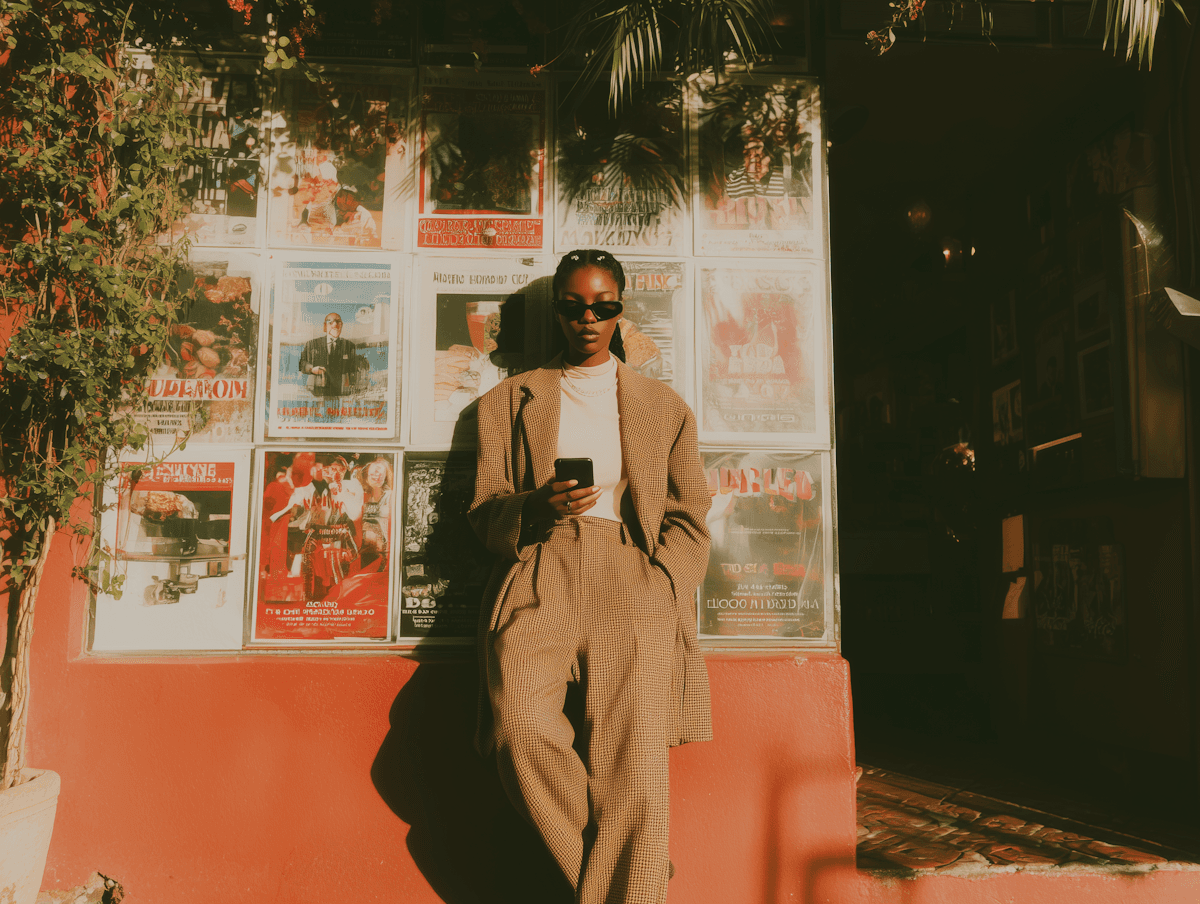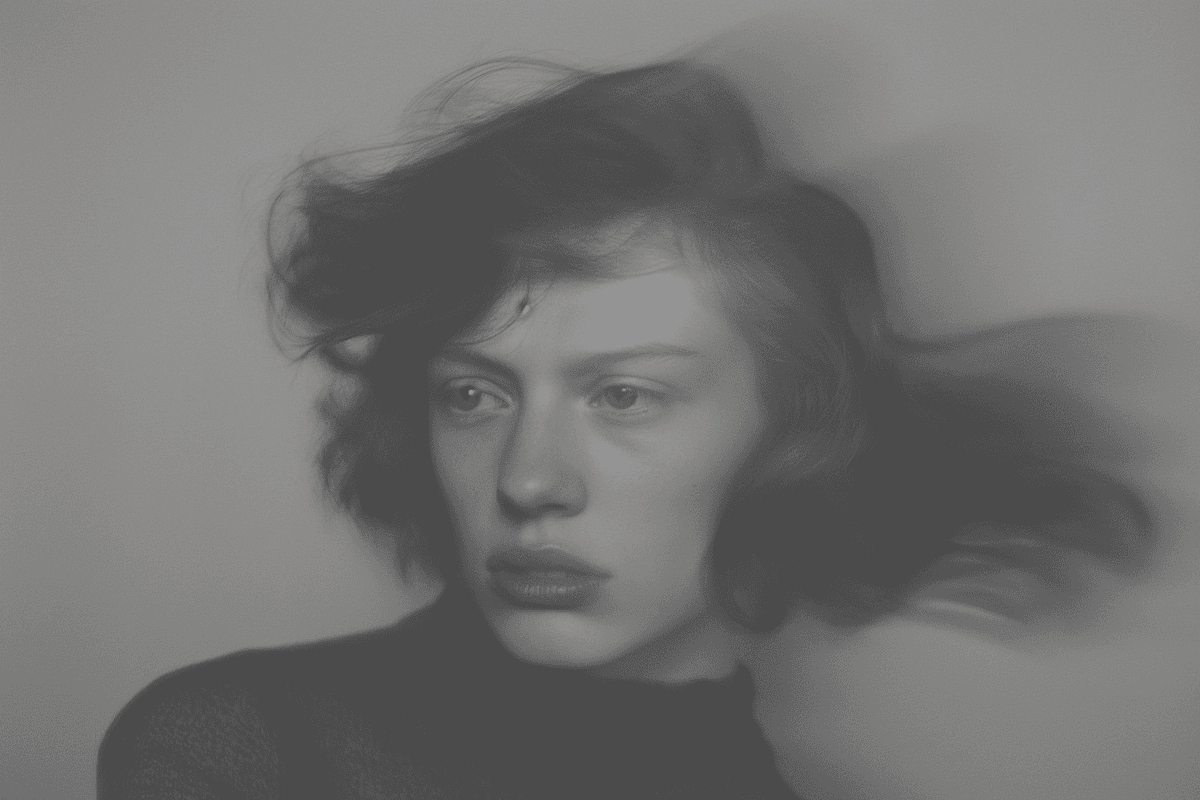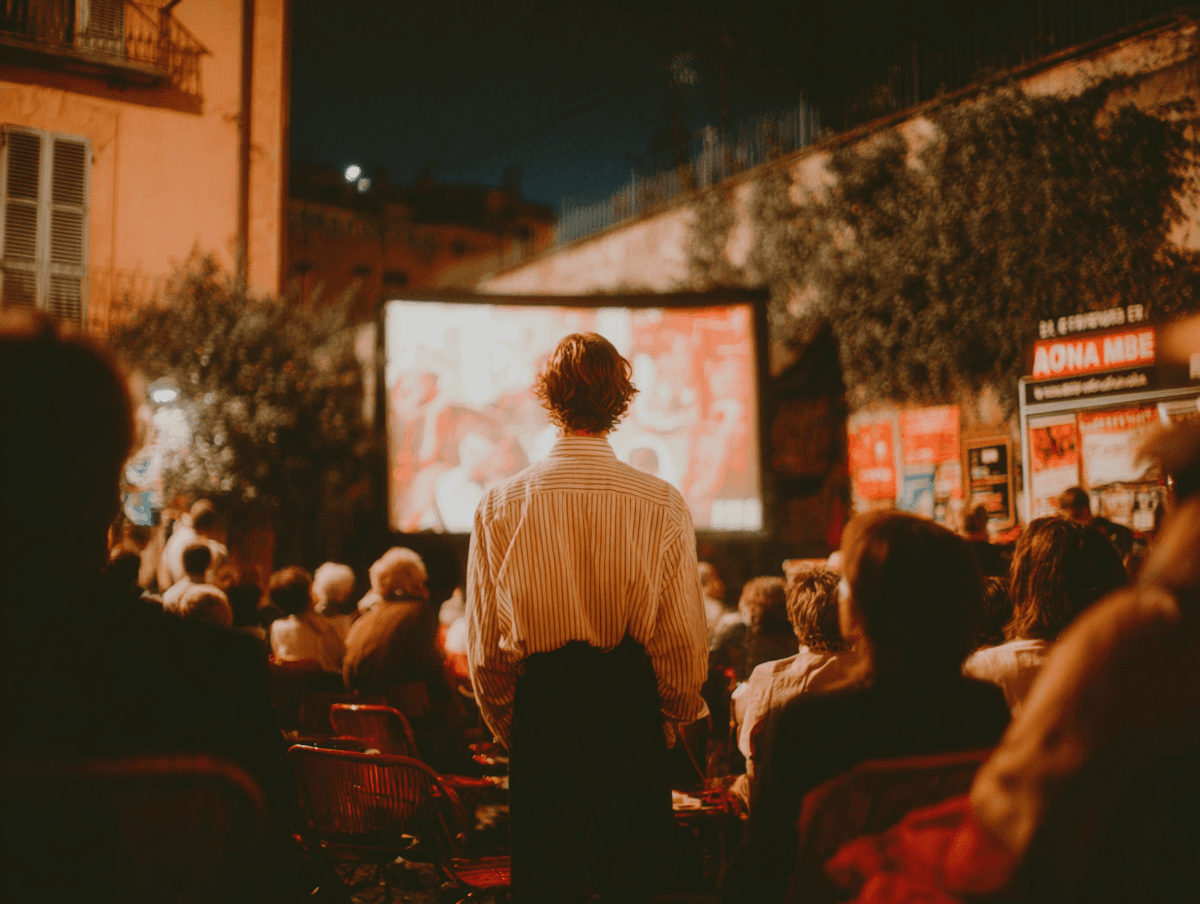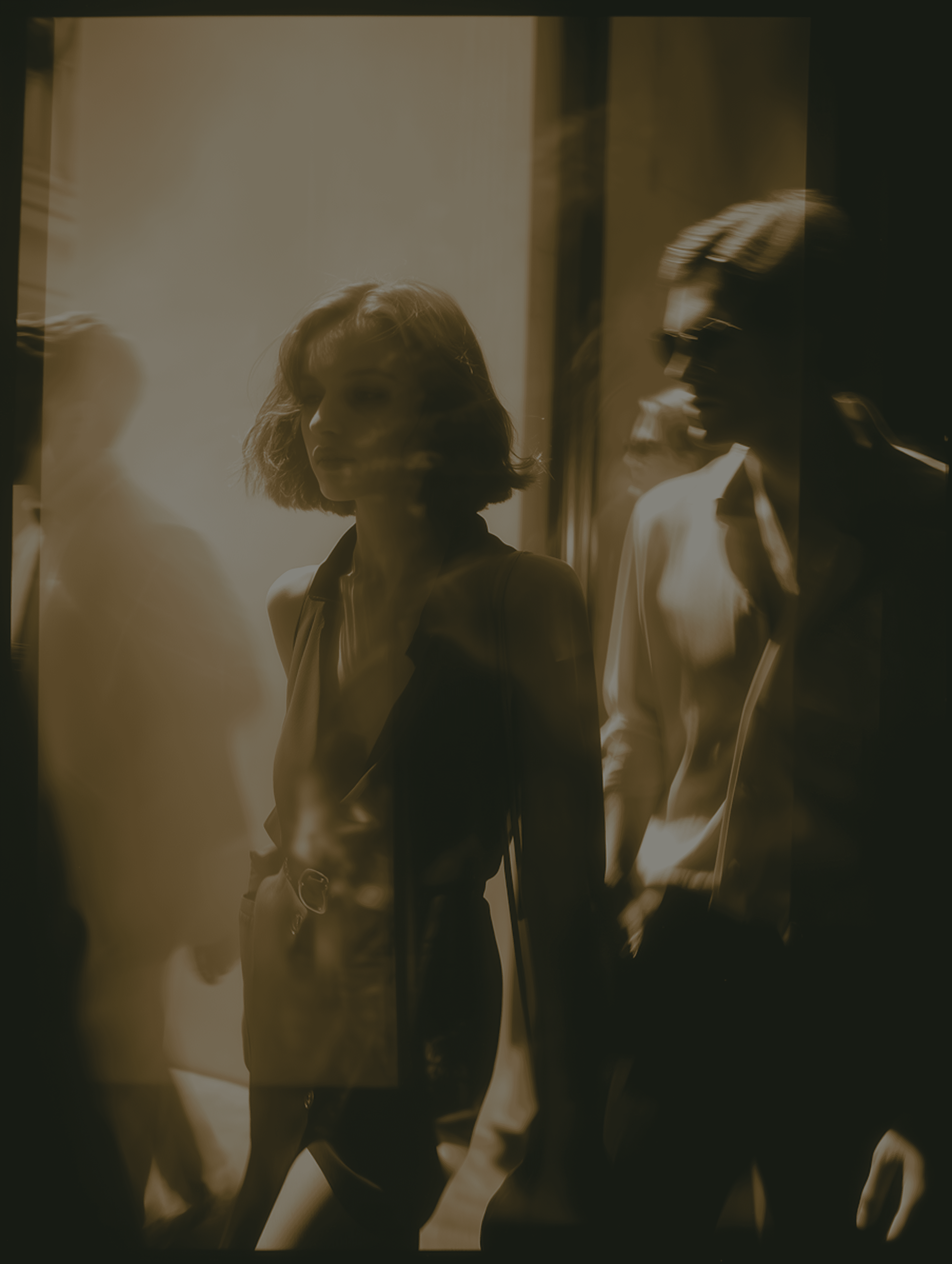
There is a quiet discipline behind every strong visual.
Most people look at an image and notice what is inside the frame. The subject, the light, the colors, the movement, the styling. But what often gives an image its clarity is everything that was intentionally left out.
That choice matters more than it seems.
In photography and film, the frame is not just a border. It is a decision. It tells the viewer where to look, what to feel, and what to ignore. And the more precise that decision is, the more the image begins to speak with confidence.
Not everything deserves to be included.
A detail can be beautiful on its own and still weaken the image. A wider shot can show more and say less. An extra object, an unnecessary gesture, a distracting background, these things can quietly pull the work away from its real center. Sometimes the strongest creative move is not adding more depth, but removing what competes with it.
We think of framing as editing before editing.
It is the first act of clarity. It asks what the image is truly about and protects that answer. If the mood is softness, the frame should protect softness. If the story is tension, the frame should hold tension. Anything that breaks that feeling, even slightly, has to be questioned.
Leaving something outside the frame is also an act of trust.
It trusts the viewer to feel what is not fully explained. It trusts suggestion over exposure. It allows the image to breathe instead of proving everything at once. That kind of restraint often creates more curiosity, more emotion, and more presence than showing too much ever could.
This is true for moving image as much as stills.
In video, what stays unseen can shape rhythm just as much as what appears on screen. A cut that comes early. A moment that is only implied. A scene that enters late and leaves before it resolves fully. These choices create space, and space gives the audience something to step into.
That is why we care so much about exclusion.
Because creative work becomes stronger when it stops trying to carry everything. When the frame becomes more selective, the message becomes more exact. The mood becomes more stable. The image becomes easier to feel.
In the end, a frame is not only about what we capture.
It is about what we protect.
And sometimes, what we leave outside the frame is exactly what allows the work inside it to matter.