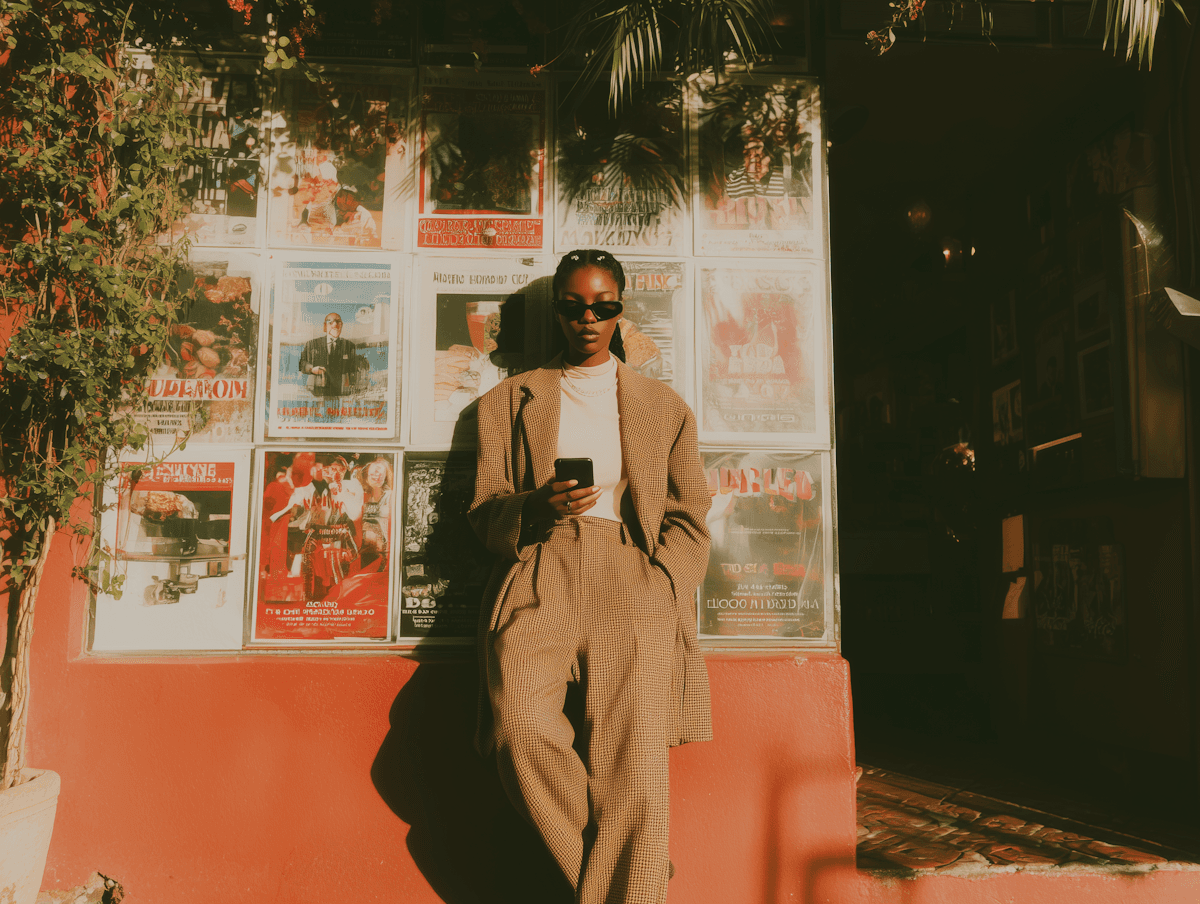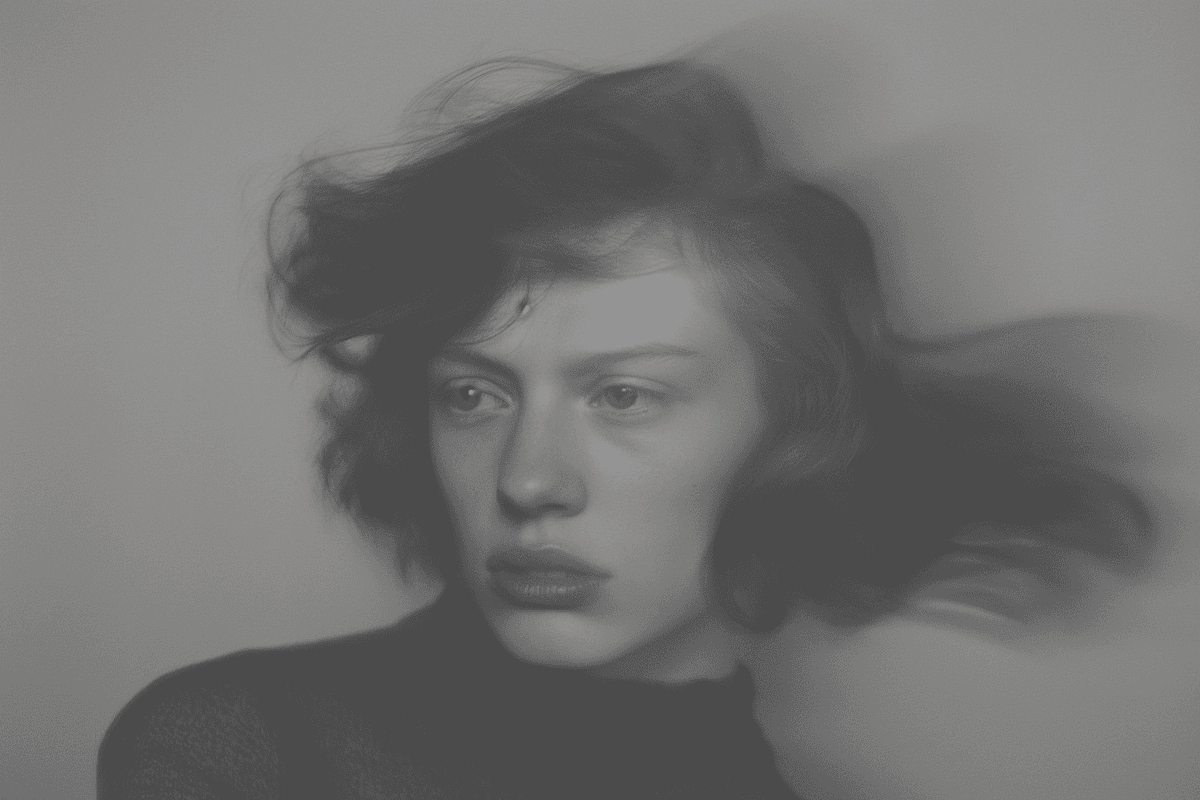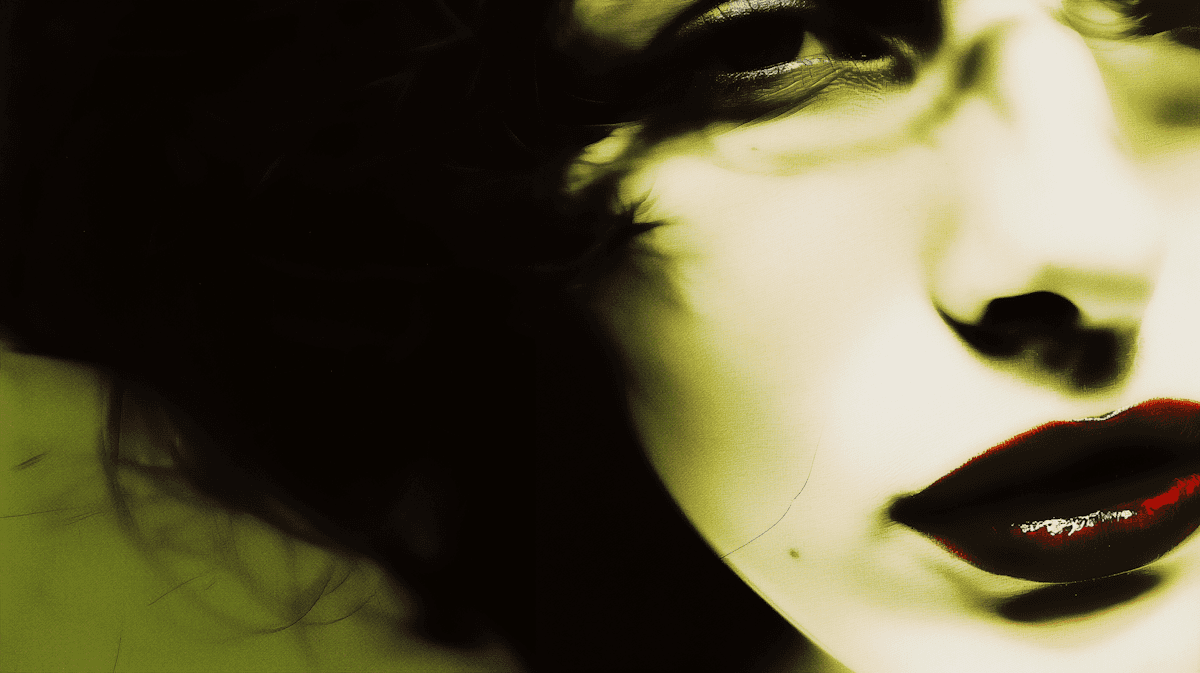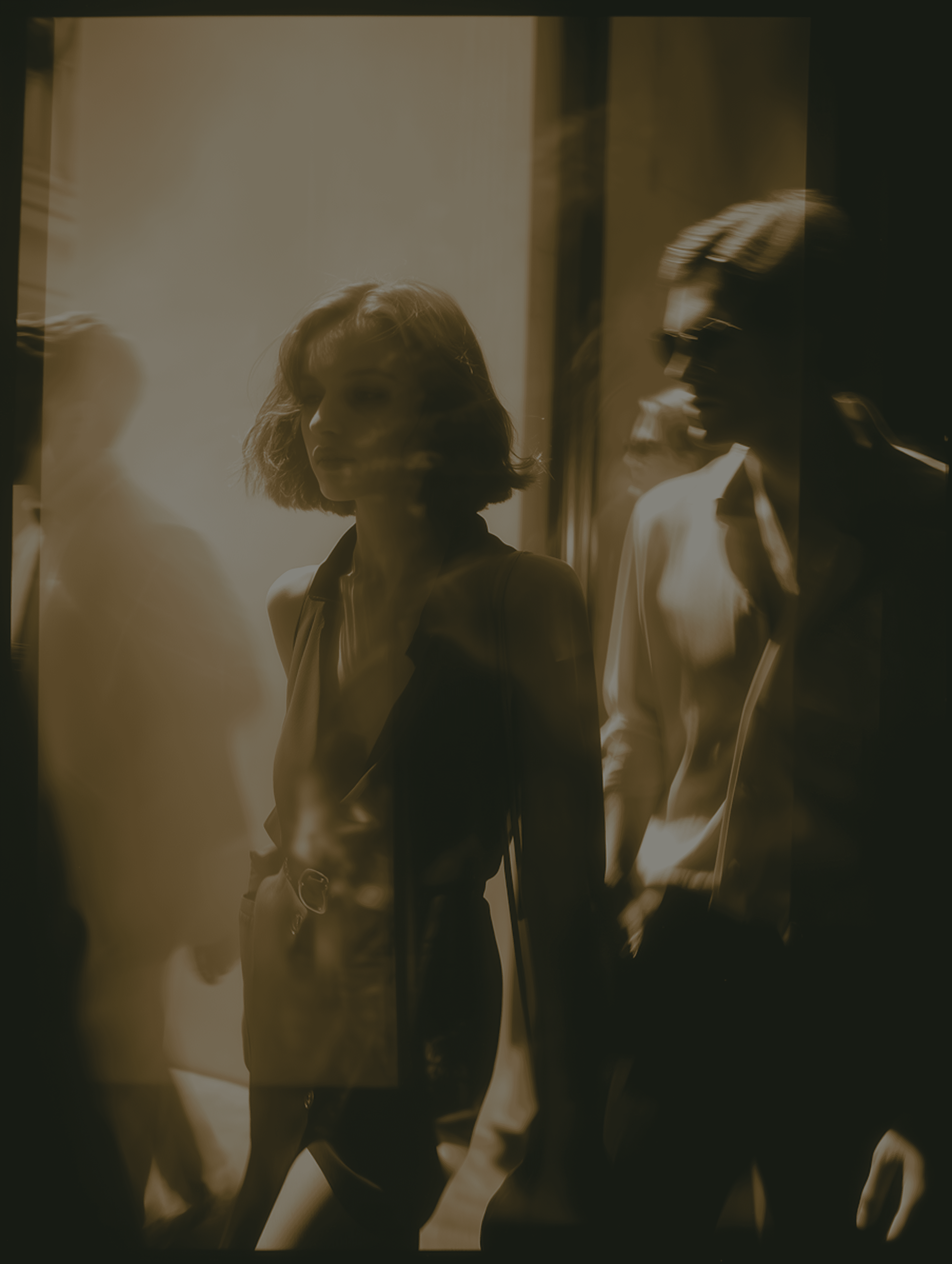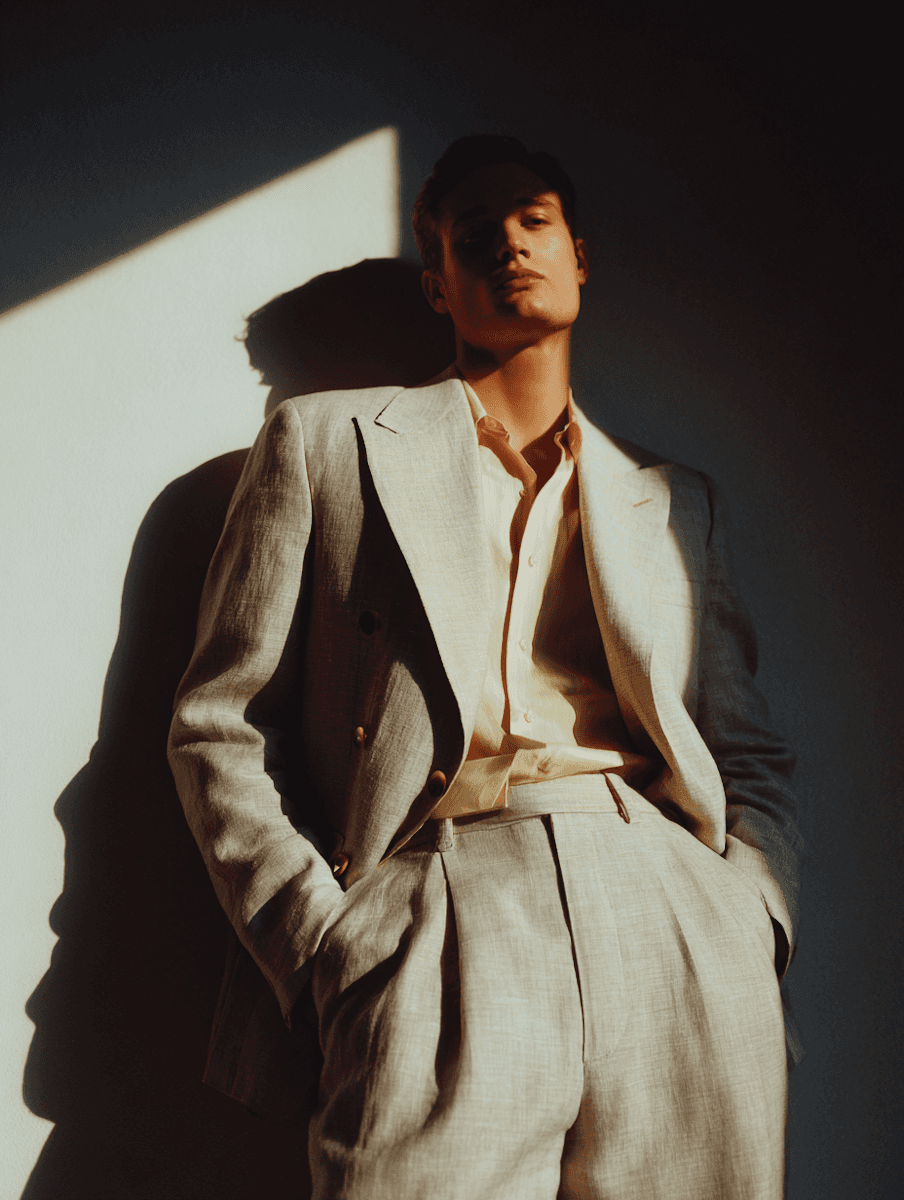
A lot of people think the creative process starts when the camera turns on.
For us, it starts earlier than that.
It starts in observation. In arriving without rushing. In taking a moment to understand what is already present before trying to shape it into something else. That first layer of attention matters more than most people realize.
Every space has its own mood.
Some feel quiet and open. Some feel tense, raw, warm, or distant. Before we start shooting, we try to understand that atmosphere instead of immediately changing it. The room, the light, the textures, the distance between objects, all of it gives clues about how the work should feel.
The same goes for people.
Before directing someone, we watch how they naturally carry themselves. How they stand when they are not thinking about it. How they look away, how they pause, how their energy changes from one moment to the next. These details often lead us to something far more real than a pose ever could.
In photography, this stage helps us find honesty.
It keeps us from forcing an image too early. Instead of arriving with a fixed idea and pressing everything into it, we allow the subject and the setting to speak first. That makes the final frame feel more grounded and less manufactured.
In video, observation shapes movement and rhythm.
It helps us understand where the camera should stay still and where it should move. It shows us which moments need space and which ones disappear if we hesitate too long. Good direction often comes from paying attention before making any direction at all.
There is also respect in this approach.
To observe first is to admit that the scene may already contain something valuable. That not everything needs to be controlled from the beginning. Sometimes the strongest creative decision is to notice what is already working and build around it carefully.
This is especially important in work that wants to feel human.
People can sense when a visual has been overhandled. They can feel when an image is trying too hard. But they can also feel when something has been made with real attention. Observation leaves room for that. It gives the work a chance to stay connected to something natural.
That is why we do not rush the first moments.
Before the camera, before the direction, before the final frame, there is a quieter part of the process that gives everything else its shape. And more often than not, that is where the real work begins.