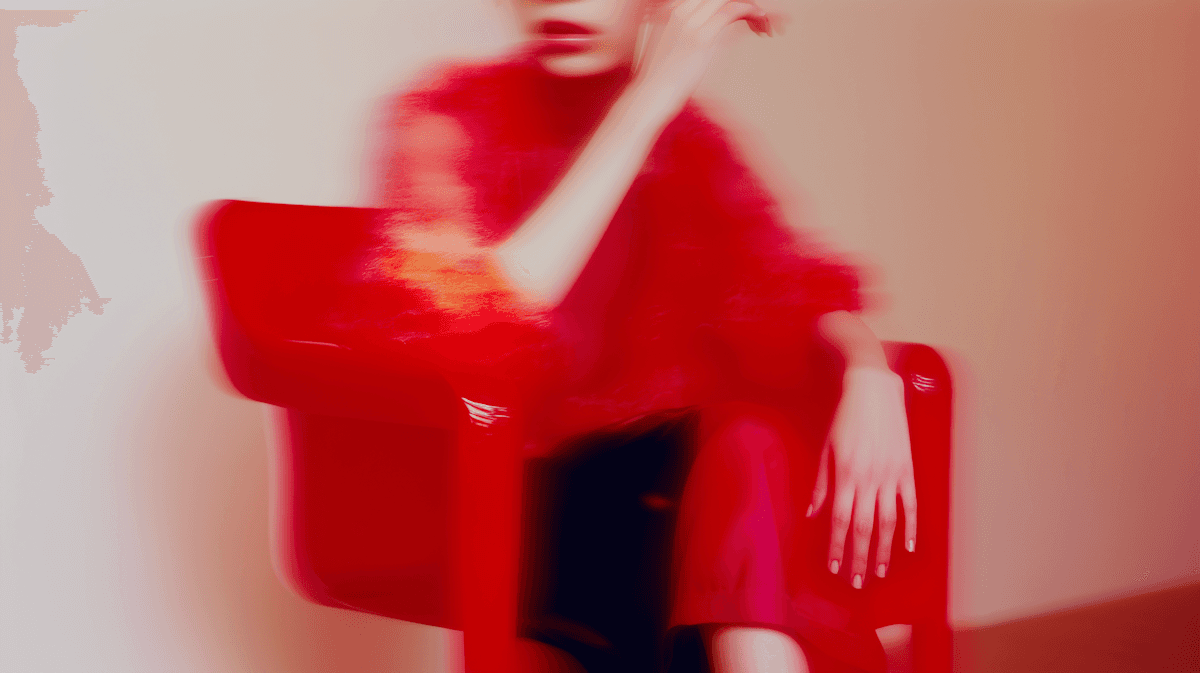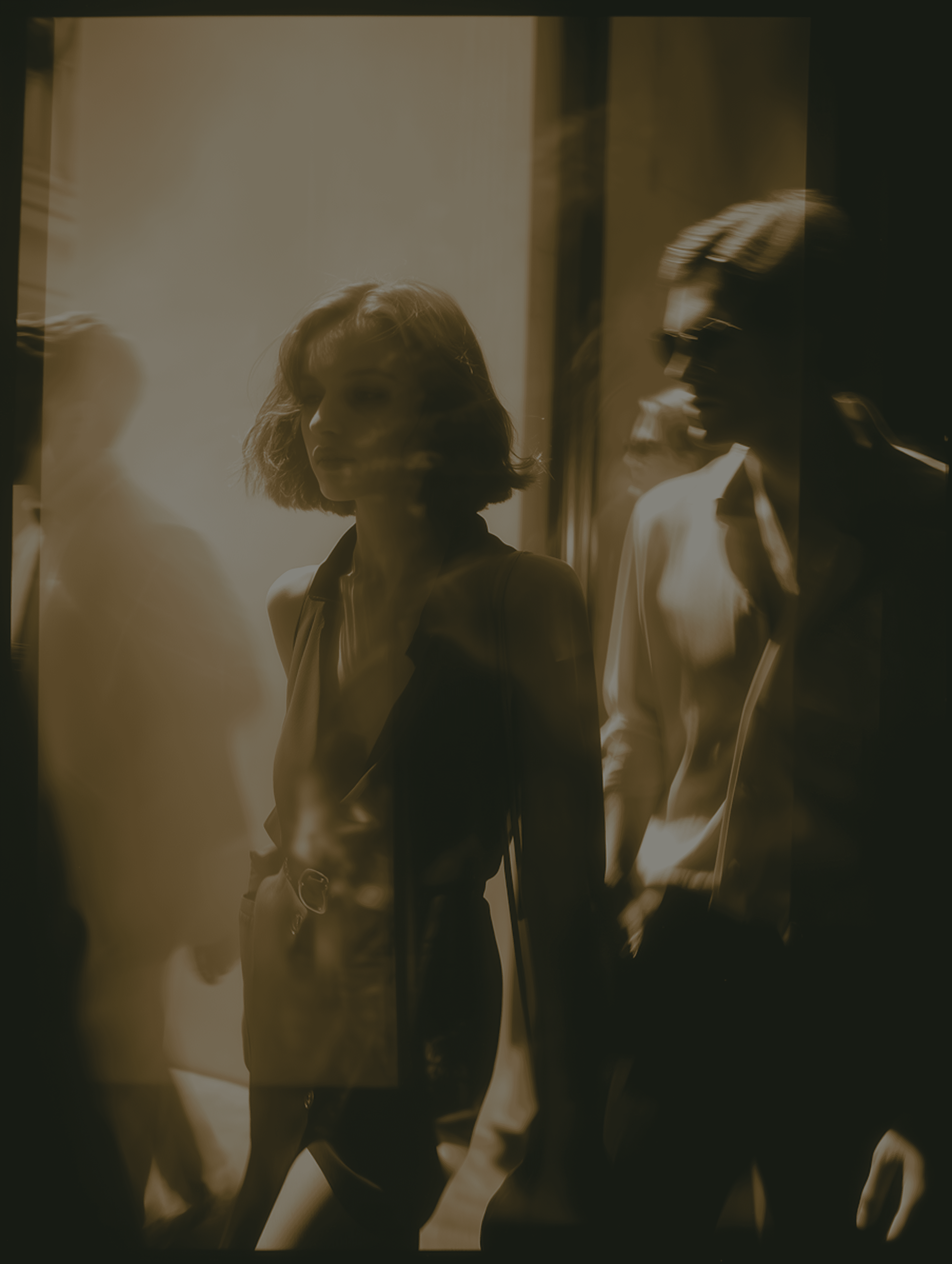
We often expect images and films to be clear from the first second.
What is this about. Who is this for. What exactly am I supposed to feel. That kind of clarity has its place, but not every piece of creative work needs to reveal itself so quickly. Some work becomes stronger when it lets atmosphere speak first.
Atmosphere is what gives a visual its emotional temperature.
It is not one single element. It comes from light, sound, texture, framing, movement, color, pacing, and silence. It is the thing that surrounds the subject and changes how the subject is felt. Even before a viewer fully understands what they are looking at, they already feel the mood of it.
That feeling matters.
In photography, atmosphere can turn a simple image into something that lingers. A quiet room, soft light, a restrained composition, a subject held in stillness. Nothing dramatic has to happen for the image to feel complete. The atmosphere does the work. It creates depth without asking for attention too loudly.
In film, atmosphere can guide a story without overexplaining it.
A scene can feel heavy before anything is said. A space can feel intimate or distant before the camera even settles. Sound, rhythm, and lighting can tell us how to enter a moment long before dialogue or action tries to define it. That is what makes visual storytelling feel lived in rather than simply presented.
We are drawn to this because explanation can sometimes flatten a feeling.
The more a piece tries to tell you exactly what it is, the less room it leaves for your own response. Atmosphere does the opposite. It opens something up. It lets the viewer meet the work in a more personal way. It invites attention instead of demanding it.
There is also confidence in not explaining too much.
It shows trust in the image. Trust in the scene. Trust that the viewer does not need every answer handed over immediately. Some of the most memorable work stays with us not because it was easy to define, but because it created a feeling we could not easily forget.
That does not mean atmosphere replaces intention.
It still needs direction. It still needs choices. But those choices are made in service of a mood rather than a message that is too neatly spelled out. The goal is not confusion. The goal is presence.
That is how we like to approach visual work.
Not by forcing every frame to explain itself, but by building an atmosphere strong enough to hold meaning on its own. Because sometimes the feeling of a piece says more than its explanation ever could.