Creative work is often imagined as something loud. Brainstorms, moodboards, meetings, fast feedback, constant references, constant motion. But some of the best ideas do not arrive in the middle of all that activity. They arrive after it.
Silence gives work space to breathe.
When we begin a project, we do not rush to fill every second with opinions, visuals, or words. We take a step back first. We look, we listen, and we let the project reveal what it actually needs. That pause matters. It helps us move with intention instead of reaction.
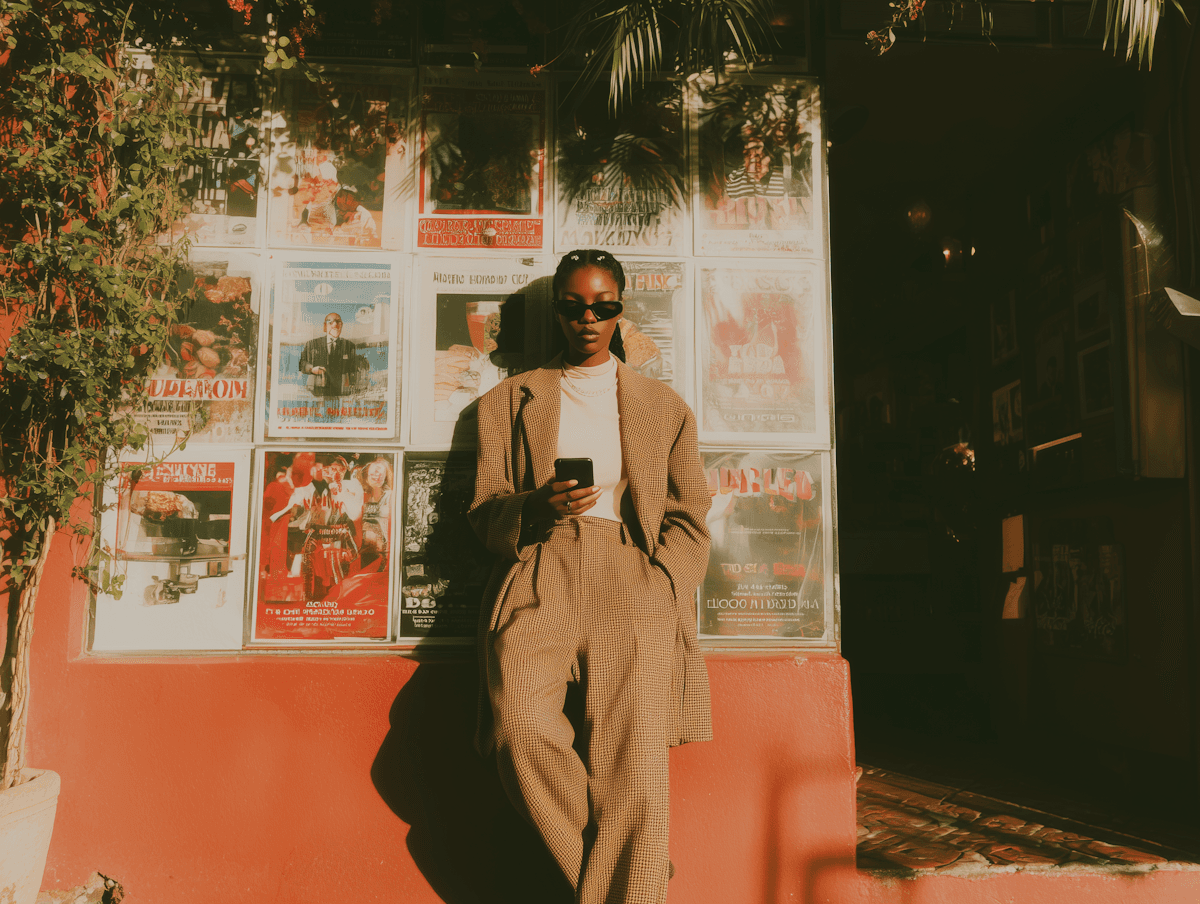
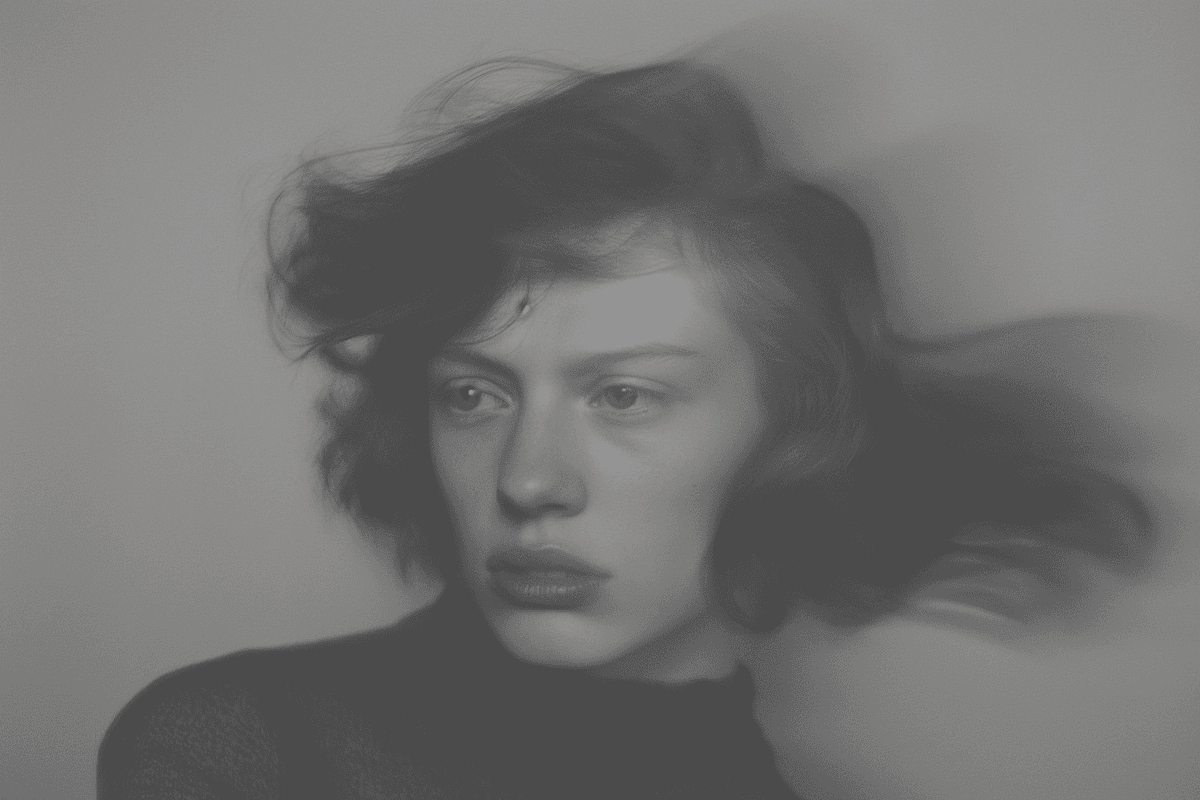
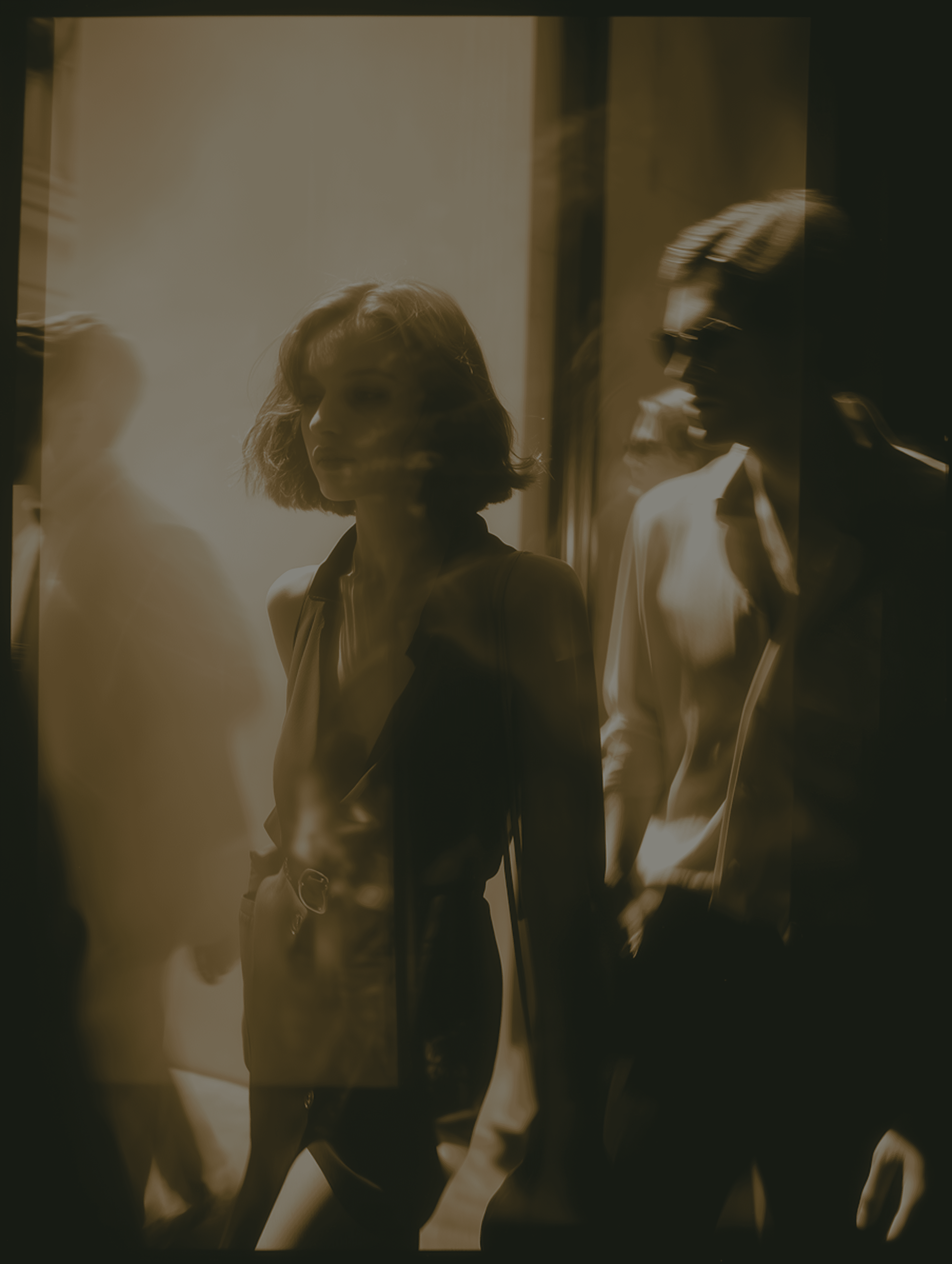
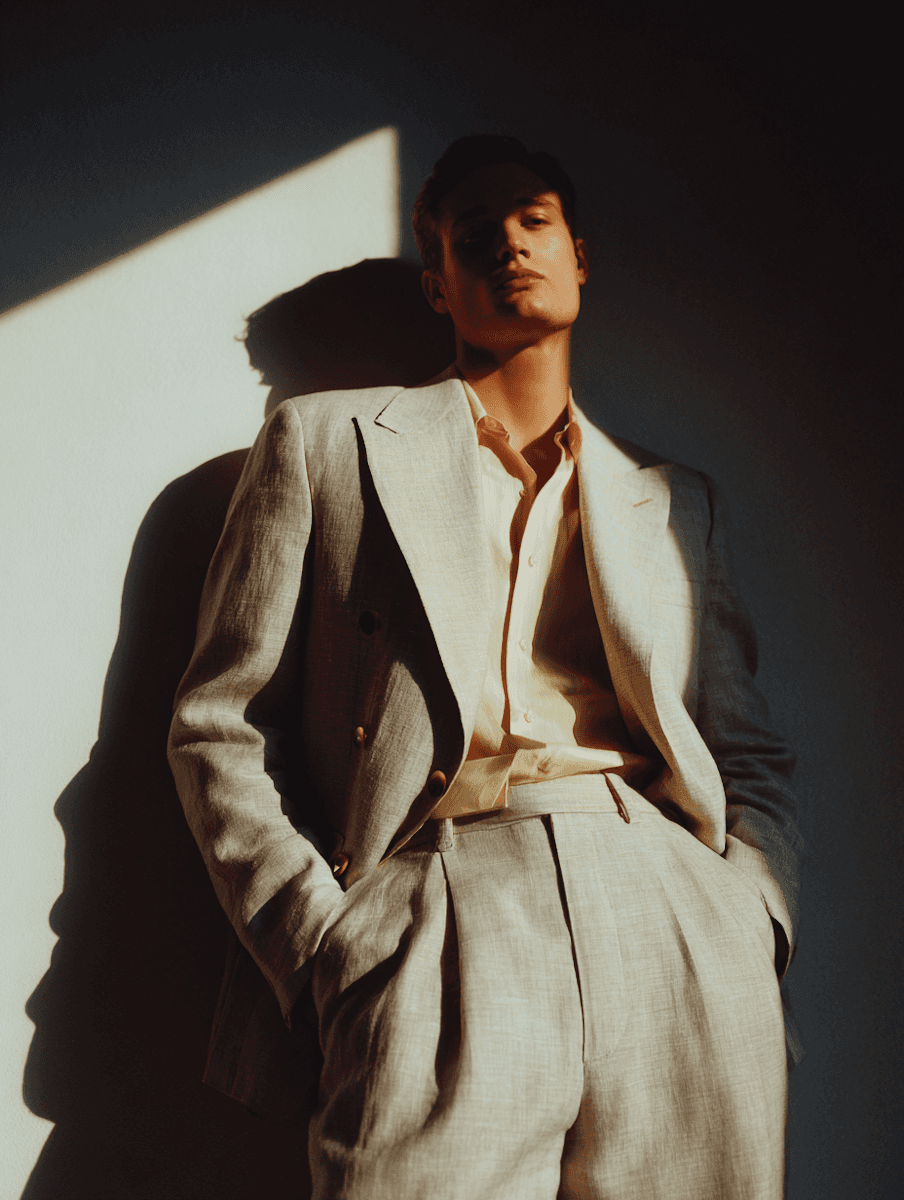
For photography, silence sharpens observation. It allows us to notice the details that are easy to miss when everything feels busy. Light falling on a surface. A pause in someone’s expression. The mood of a place before anything is directed or staged. These small moments often hold more truth than anything forced.
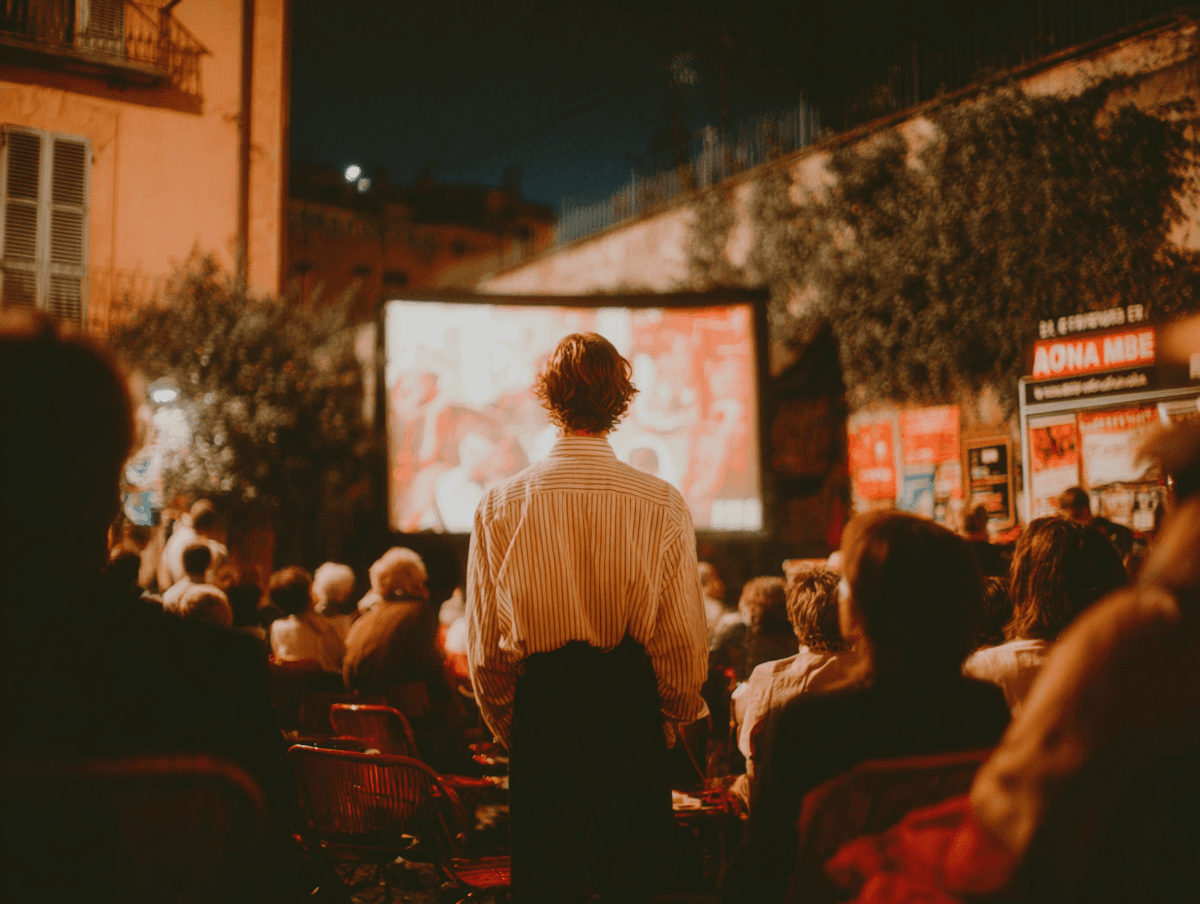
For video, silence is just as important. Not only during filming, but in the way a story is built. A good film does not need to explain everything at once. It knows when to hold back. It understands rhythm. It gives a frame, a sound, or a gesture enough room to land. That sense of restraint creates emotion in a deeper way than constant movement ever could.
And in the creative process itself, silence protects clarity. It keeps a project from becoming crowded with ideas that look impressive but do not belong. It helps us ask better questions. What is the feeling we want people to leave with? What really needs to be shown? What can be removed?
Silence is also trust.
It means trusting the work enough not to overwork it. Trusting the image enough not to decorate it. Trusting the story enough not to overexplain it. Some of the strongest creative decisions come from knowing when to stop, not only when to add.
This does not mean silence is passive. It is active in a quieter way. It is attention. It is patience. It is discipline. It is the choice to let ideas grow naturally before shaping them into something visible.
That is why silence leads our process.
Because before a strong visual identity, before a polished film, before a finished campaign, there has to be a moment where we stop chasing noise and start paying attention. And very often, that is where the work becomes honest.