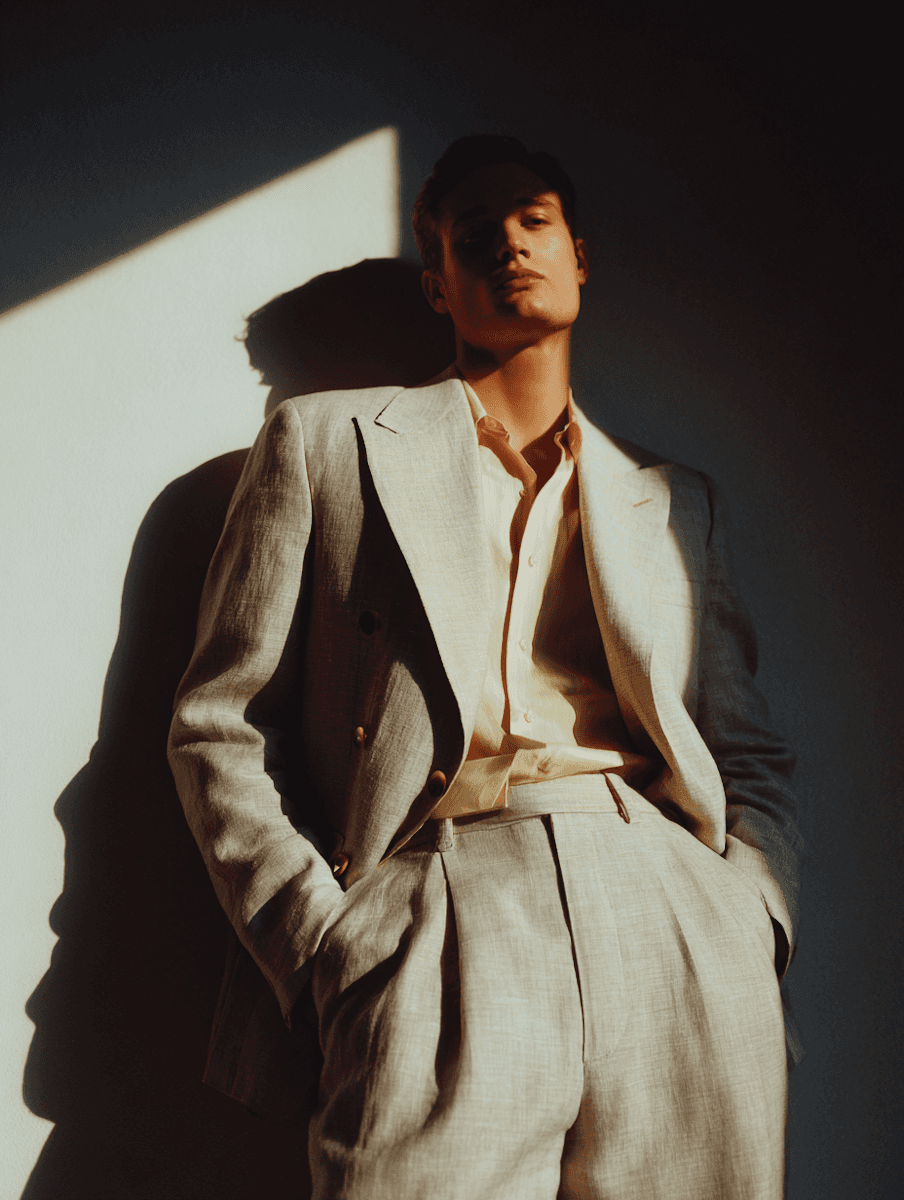
There is a certain kind of energy in creative work that cannot be forced.
You can feel it in an image that seems effortless. In a film that breathes at the right moments. In a visual story that feels present instead of rushed. That kind of work usually comes from pace. Not speed, but pace.
We care a lot about that difference.
Speed is often about finishing. Pace is about feeling. It is the rhythm behind how a project is observed, shaped, and built. When the pace is right, the work starts to feel alive. It holds attention without trying too hard. It moves with clarity. Nothing feels late, and nothing feels too early.
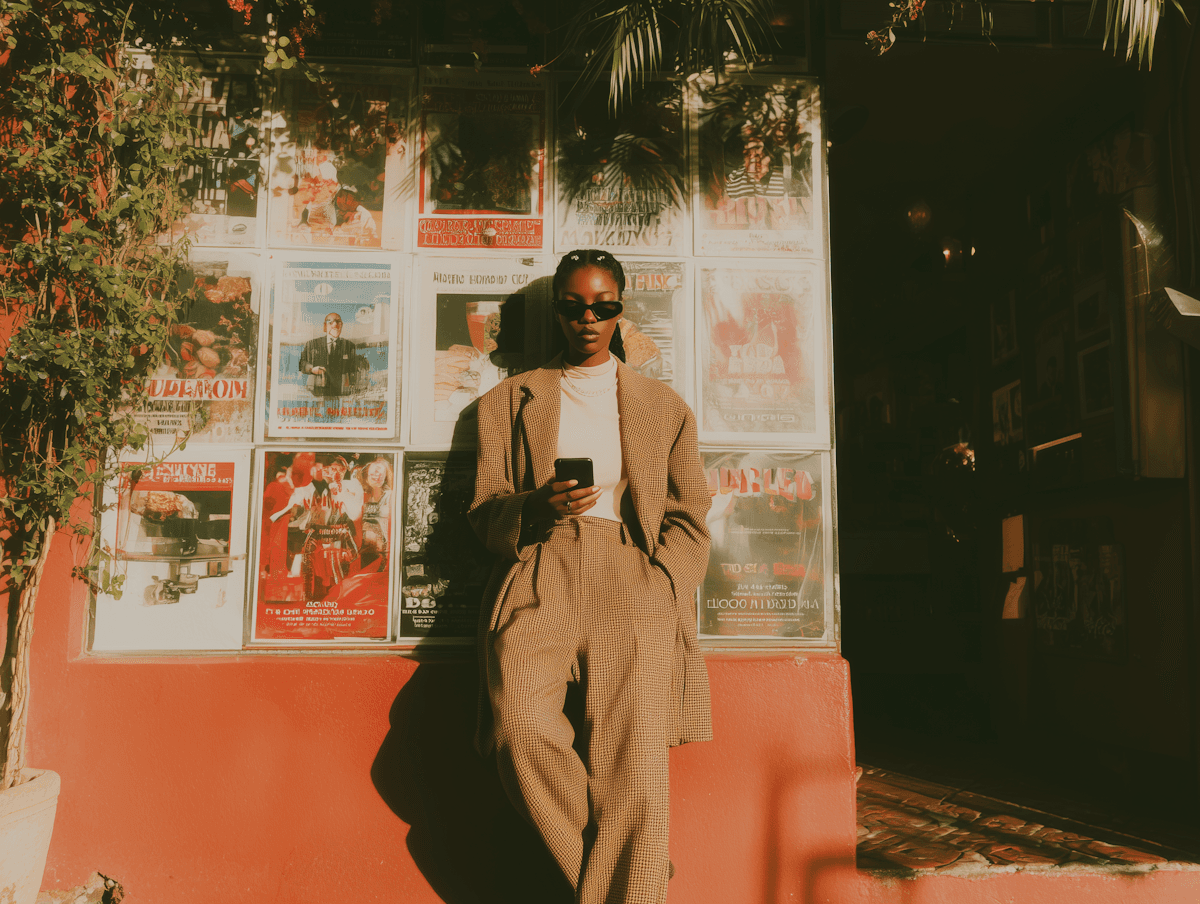
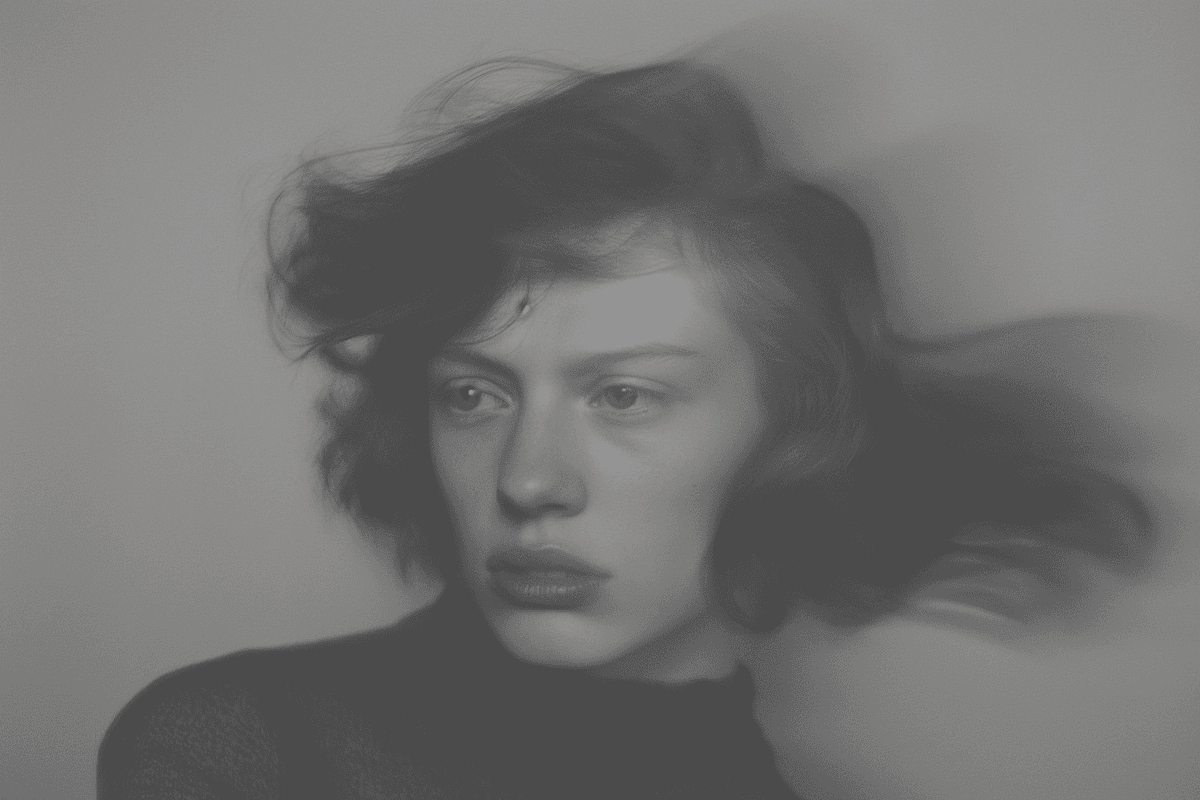
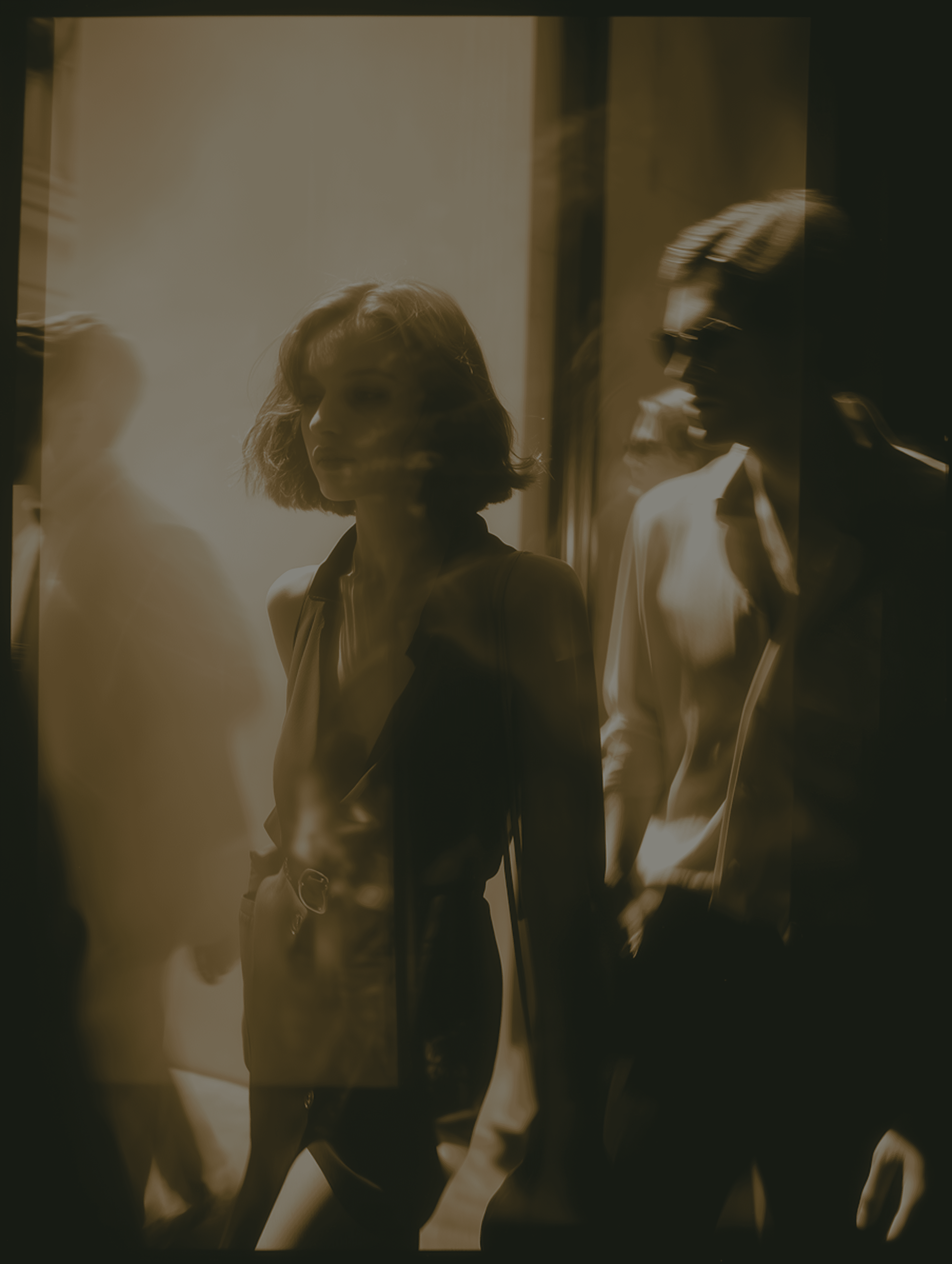
In photography, pace changes everything.
Some frames appear in an instant, but many only happen when you stay long enough to notice them. A look, a gesture, a shift in light, a small change in posture. These things are easy to miss when the process becomes too mechanical. Slowing down gives the image more chance to become real.
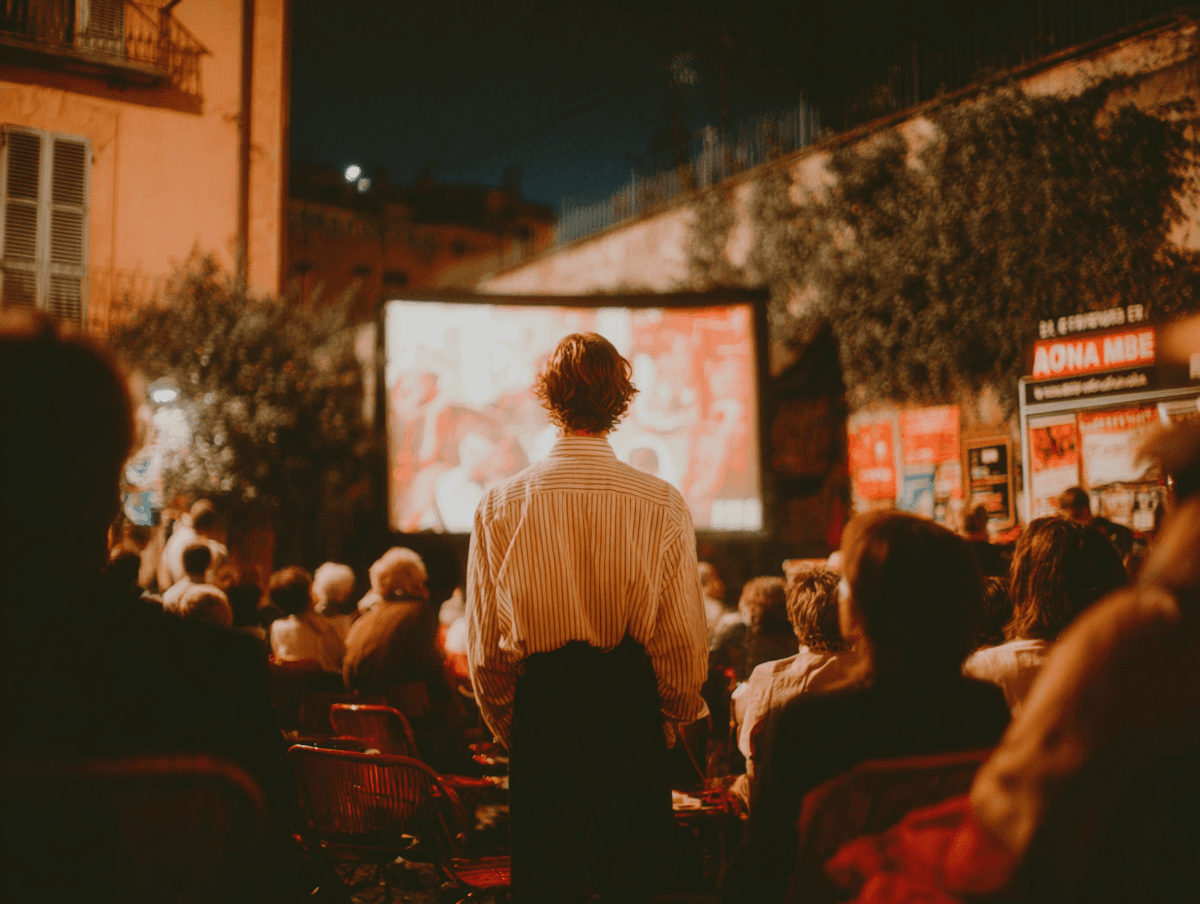
The same is true in video.
A strong sequence is not only about what happens, but when it happens. When the camera moves. When it stays still. When a scene lingers. When a cut arrives. Good pacing gives emotion room to settle. It gives meaning to movement and weight to silence.
This is why we do not treat time as something to fight against in the creative process.
Of course, projects need structure, deadlines, and decisions. But inside that structure, there should still be room for attention. Rushing every choice can make the final work feel tight and overhandled. Giving the process the right tempo lets the work stay open long enough to find its own shape.
There is also confidence in not pushing too hard.
Not every frame needs more styling. Not every edit needs more layers. Not every sequence needs more action. Sometimes what brings a piece to life is not addition, but timing. Knowing when something has reached the point where it already says enough.
Work that feels alive usually carries that kind of restraint.
It feels considered, but not stiff. It feels polished, but not overworked. It feels intentional, while still leaving room for something human to remain visible inside it.
That balance matters to us.
Because we are not only trying to make work that looks good in the moment. We want to make work that holds feeling. Work that has presence. Work that feels like it was made with attention, not just completed on time.
And very often, that starts with pace.
With trusting that the right rhythm can shape the work just as much as the camera, the lighting, or the edit itself.