We are used to stories being told clearly.
Beginning, middle, end. One idea leading neatly into the next. Everything explained, everything resolved. But visual work does not always need that kind of structure to feel complete. In photography and film, sometimes a story becomes more powerful when it is broken into fragments.
A fragment does not give you everything at once.
It gives you enough to feel something, enough to stay curious, enough to start building meaning on your own. That is what makes it so effective. Instead of closing the story too quickly, it opens space inside it.
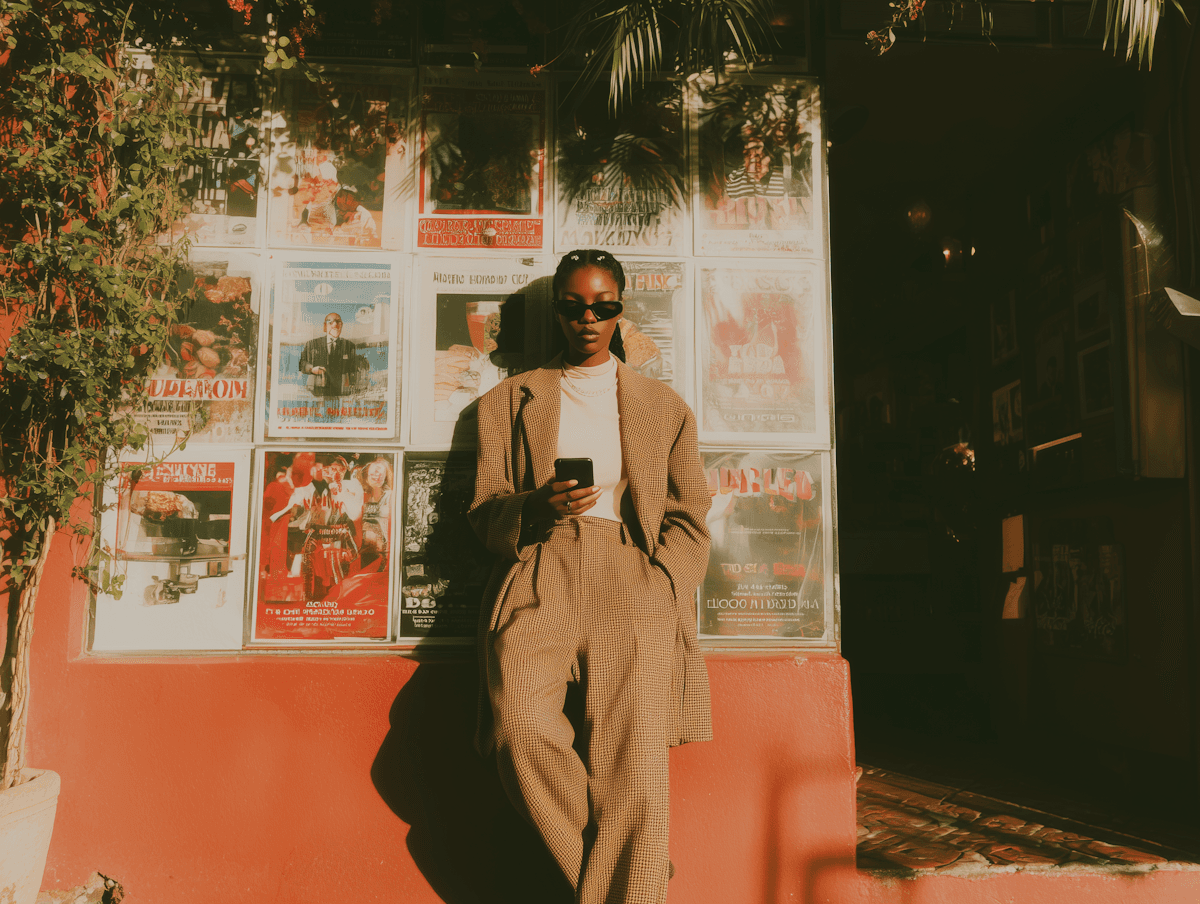
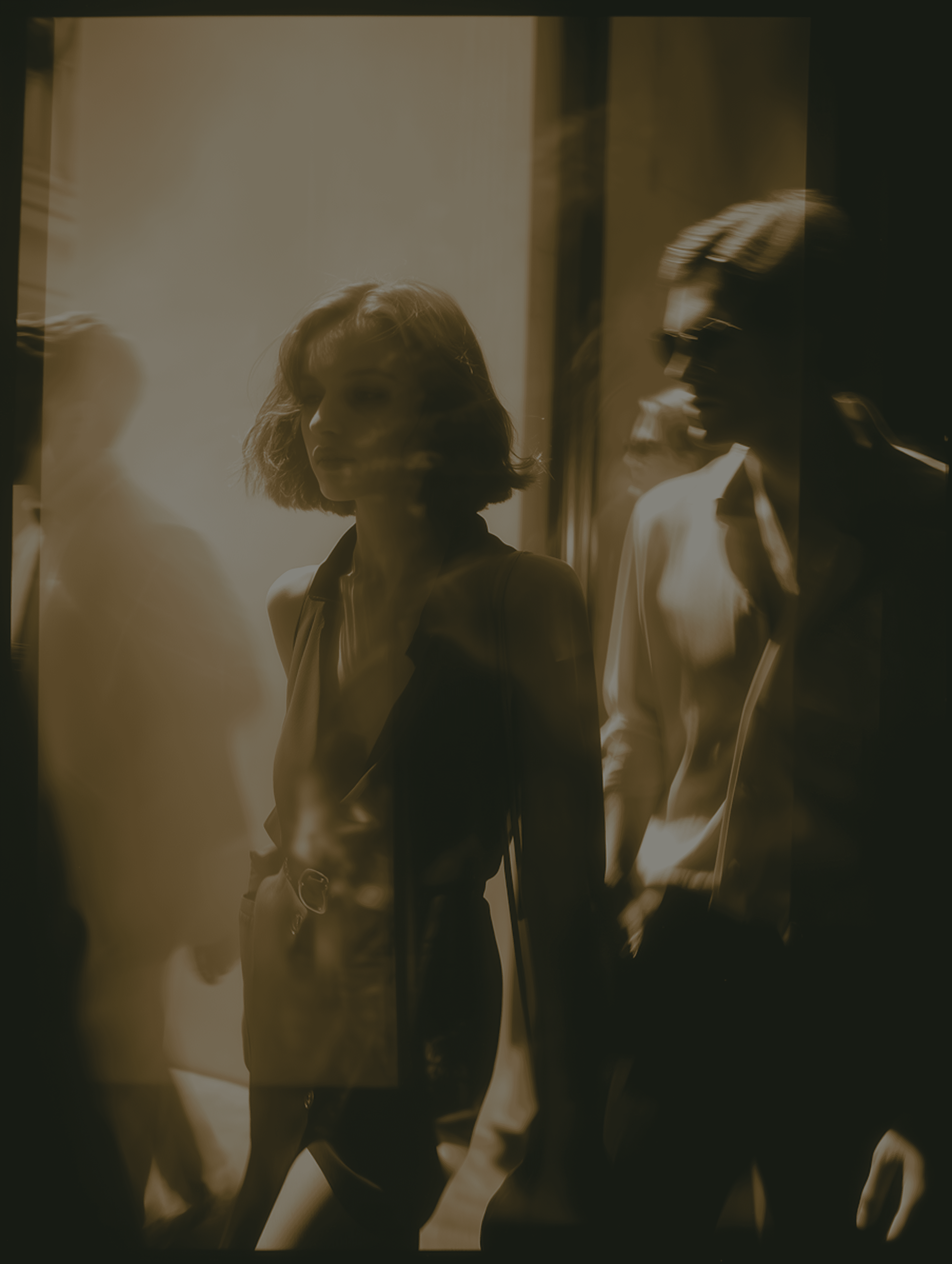
In photography, a fragment can be a single detail that carries more emotion than a full scene. A hand resting on a surface. A face turned away. Light passing across fabric. These moments may seem small, but they often hold the weight of something larger without needing to explain it directly.
In film, fragments shape rhythm and memory.
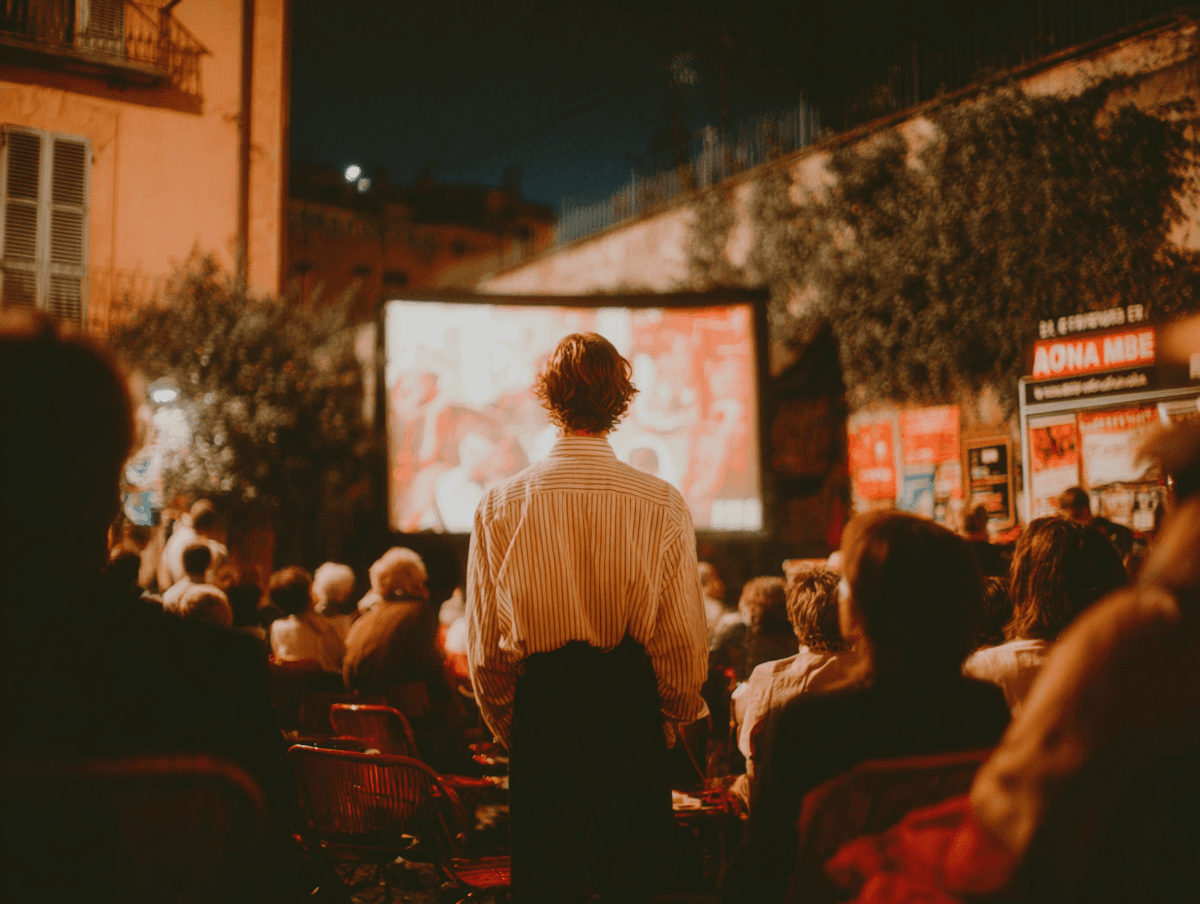
A close shot that appears for only a second. A sound before the source is shown. A cut that leaves part of the action unseen. These choices create tension, softness, or distance depending on how they are used. They let the viewer feel the story instead of only receiving it.
We are drawn to this way of working because it feels more honest.
Real memory does not come back in perfect sequence. Real emotion does not always move in a straight line. We remember people, places, and moments in pieces. A texture. A color. A silence. A glance. Fragmented storytelling feels closer to that experience.
It also asks for trust.
It trusts the viewer to stay present. To notice what is implied. To connect one moment to the next without being guided too heavily. That trust creates a different kind of relationship with the work. One that feels quieter, but often deeper.
Of course, fragments still need intention.
This is not about making things confusing for the sake of style. It is about selecting the right pieces and knowing how they speak to each other. A fragment only works when it carries a real feeling, and when it belongs to a larger atmosphere that holds everything together.
That is where the craft is.
Knowing what to show. Knowing what to hold back. Knowing when one small image can say more than a full explanation ever could. When done well, fragmented storytelling does not feel incomplete. It feels alive, open, and full of tension in the best way.
That is why we return to it so often.
Because some stories lose their strength when they are explained too neatly. And sometimes, the most lasting work is the kind that arrives in pieces and stays with you because of what it never fully says.