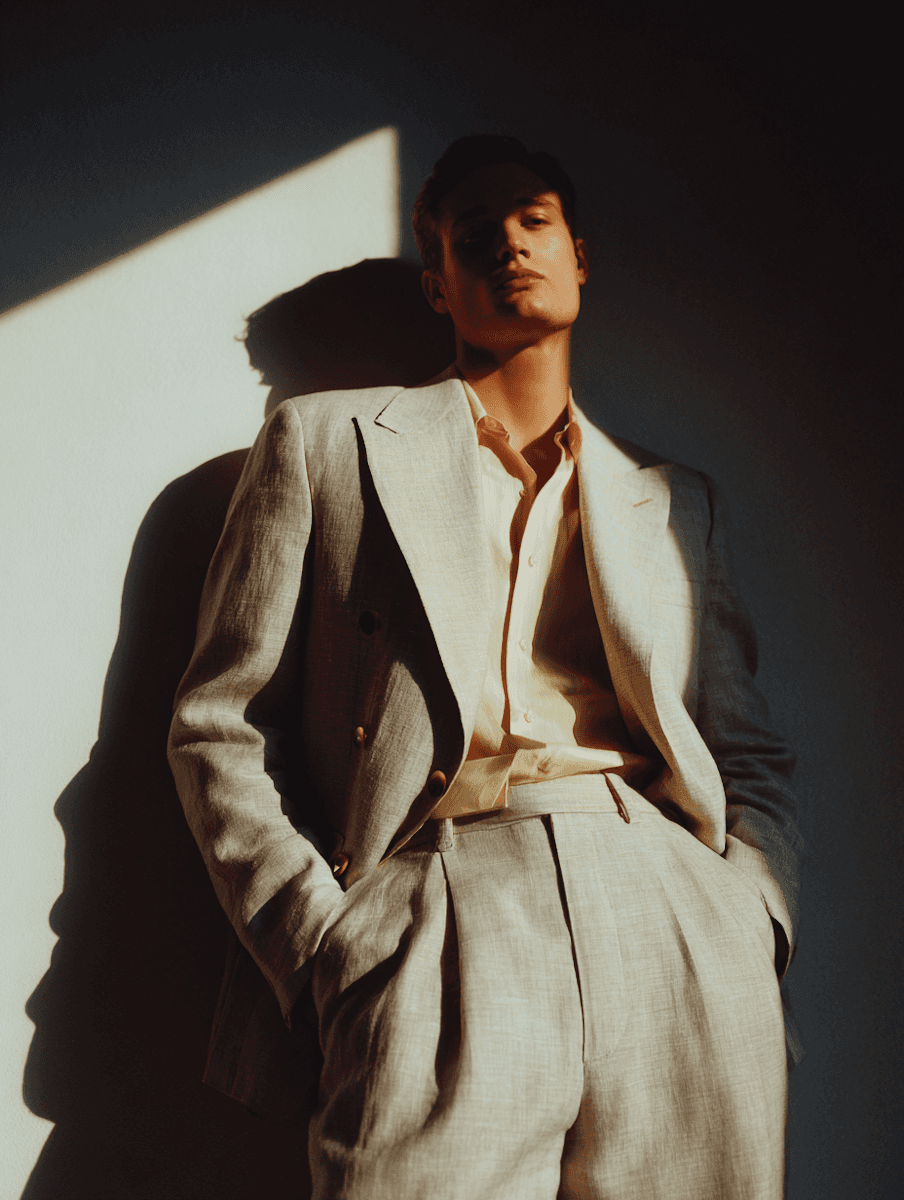
Not every creative decision begins with a concept.
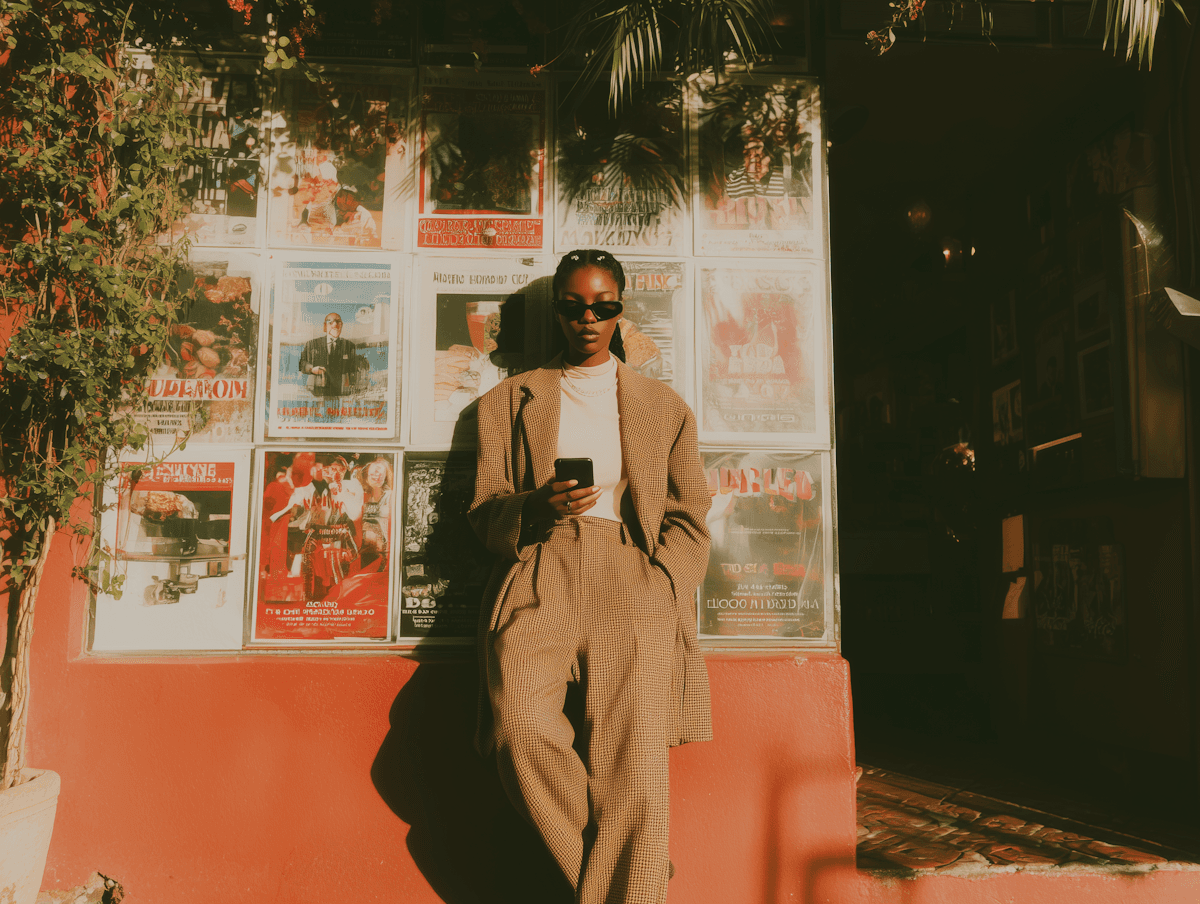
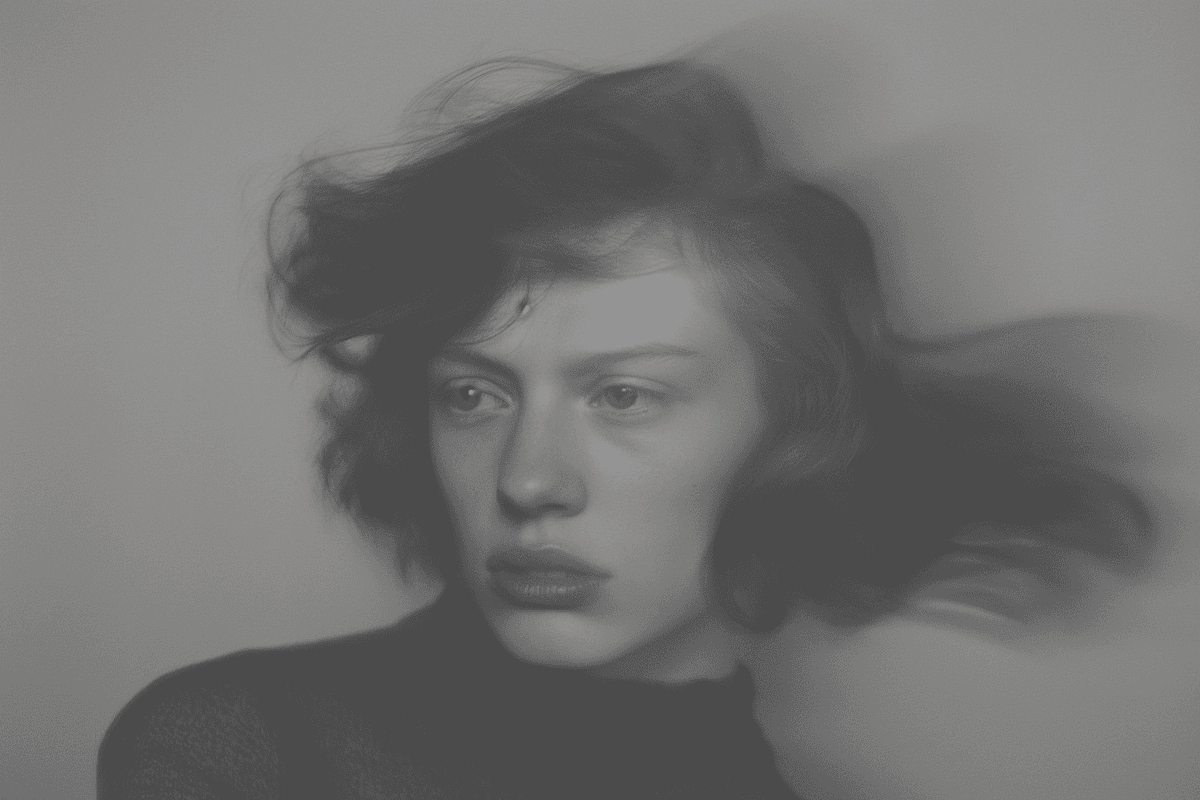
Sometimes it begins with light entering a room in the right way. A shadow stretching across a wall. A face changing completely with a small shift in position. In those moments, light is no longer just a technical condition. It becomes the clearest signal we have.
That is why we trust it.
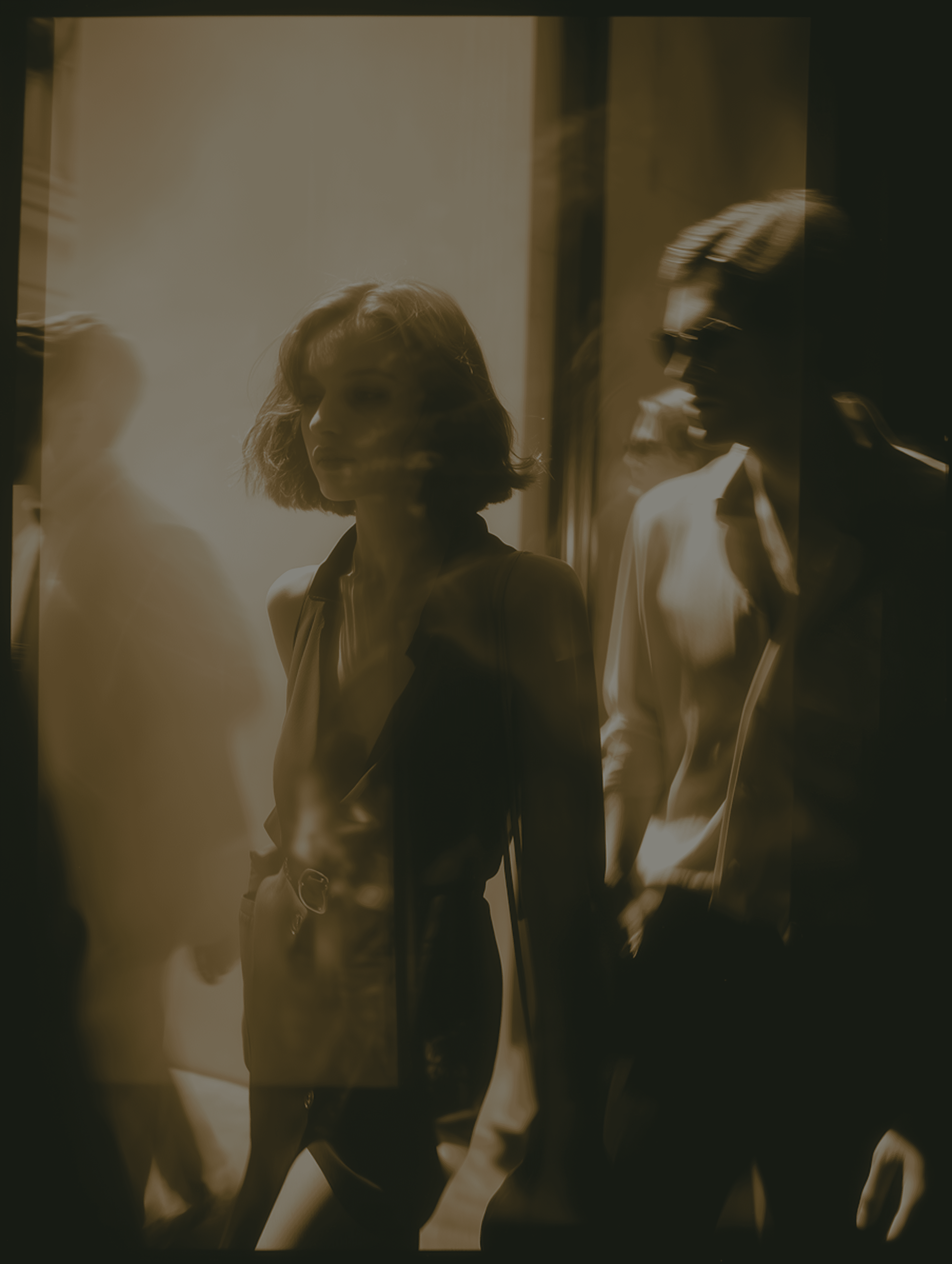
In photography and film, light does more than make things visible. It shapes mood, defines texture, creates tension, and gives meaning to a frame without needing words. Before styling, before movement, before composition is fully resolved, light already tells us how the image wants to feel.
Some days, the plan changes because the light asks for something better.
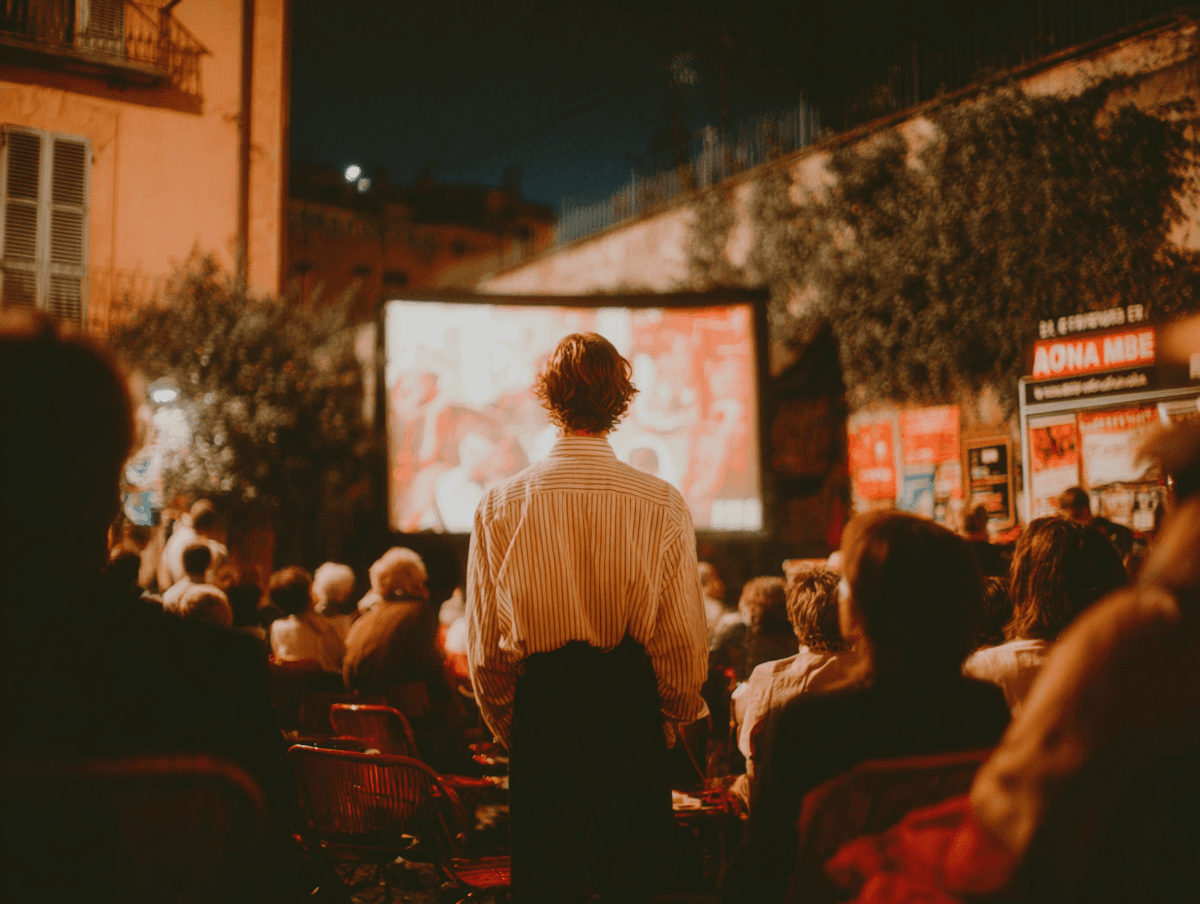
A scene that seemed ordinary can suddenly feel cinematic. A quiet corner can become the strongest frame of the day. A subject can look more honest in natural light than under anything carefully built around them. When that happens, the best choice is often not to control more, but to follow what is already there.
Trusting light means staying open.
It means not forcing every frame into a fixed idea. It means allowing a project to shift when the atmosphere changes. Instead of treating light as something to correct or overpower, we let it guide the pace, the placement, and the emotion of the work.
This approach brings a certain honesty to the image.
Light reveals things as they are. It shows texture, depth, warmth, distance. It can make a frame feel intimate or cold, soft or sharp, quiet or dramatic. And when you stop fighting it, the work starts to feel less manufactured and more alive.
There is also discipline in this kind of trust.
Following light does not mean leaving everything to chance. It means paying close attention. Watching how it behaves. Knowing when to wait, when to move, and when not to touch what is already working. It asks for patience more than control.
For us, some of the strongest visuals come from that relationship.
Not from trying to build something louder than the scene, but from noticing what the light is already offering and shaping the work around it. That is where images begin to feel grounded. That is where they start to carry real atmosphere.
Because sometimes the clearest creative direction does not come from a moodboard or a meeting.
Sometimes it comes from light alone.